Factors Influencing the Lifespan of Dental Implants

Dental implants have revolutionized the field of dentistry, offering a durable and reliable solution for replacing missing teeth. However, like any dental procedure, the longevity of dental implants is influenced by various factors. Understanding these factors is crucial for patients considering implant treatment and for maintaining oral health in the long term.
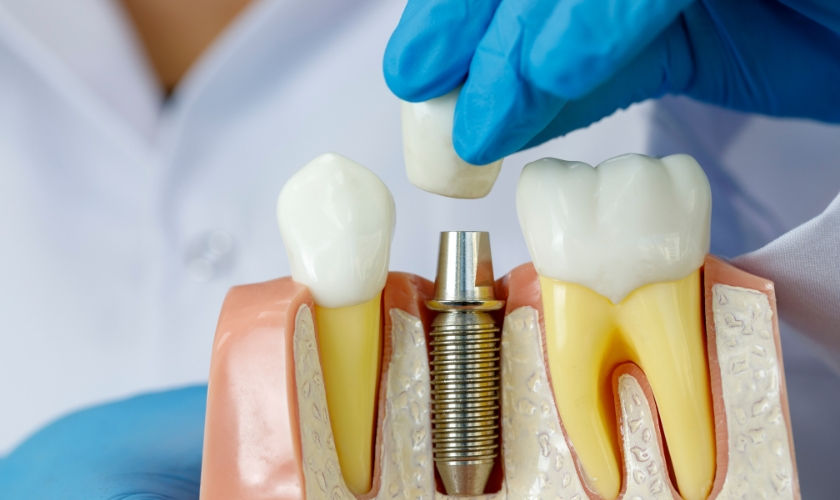
1. Oral Health Maintenance: Proper oral hygiene is paramount for the success of dental implants. Regular brushing, flossing, and dental check-ups help prevent gum disease and infection, which can compromise the stability of implants.
2. Bone Density and Quality: The density and quality of the jawbone play a significant role in the success of dental implants. Sufficient bone density is necessary to support the implant and ensure its long-term stability. In cases of bone loss, bone grafting procedures may be required to enhance the bone structure before implant placement.
3. Osseointegration: Osseointegration is the process by which the implant fuses with the surrounding bone tissue. It is crucial for the stability and longevity of dental implants. Factors such as smoking, diabetes, and poor bone quality can impede the osseointegration process and affect the implant's success.
4. Proper Implant Placement: The skill and expertise of the dental implant surgeon are vital for the proper placement of implants. Accurate placement ensures optimal support and alignment, reducing the risk of complications and implant failure.
5. Type of Restoration: The type of dental restoration placed on the implant, such as a dental crown, bridge, or denture, can influence its lifespan. Dental crowns, in particular, are commonly used to restore single implants. High-quality materials and proper fabrication contribute to the longevity of the restoration and the overall success of the implant.
6. Occlusal Forces: Excessive or uneven biting forces can exert stress on dental implants, leading to mechanical failure or implant loosening. Occlusal adjustments and the use of bite guards may be necessary to distribute forces evenly and protect the implants from damage.
7. Lifestyle Factors: Habits such as smoking, excessive alcohol consumption, and poor dietary choices can negatively impact the success of dental implants. Smoking, in particular, hinders blood flow and slows the healing process, increasing the risk of implant failure.
8. Systemic Health Conditions: Certain systemic health conditions, such as uncontrolled diabetes or autoimmune disorders, can affect the body's ability to heal and may compromise the success of dental implant treatment. It is essential for patients to disclose their medical history to their dental provider to ensure the appropriate management of any underlying health issues.
In conclusion, the longevity of dental implants depends on various factors, including oral health maintenance, bone quality, proper implant placement, type of restoration, occlusal forces, lifestyle factors, and systemic health conditions. With proper care and regular dental visits, dental implants can be a highly successful and long-lasting solution for tooth replacement.
Remember, consulting with a qualified dental professional is crucial for personalized advice and treatment planning tailored to your specific needs and circumstances.


Comments